
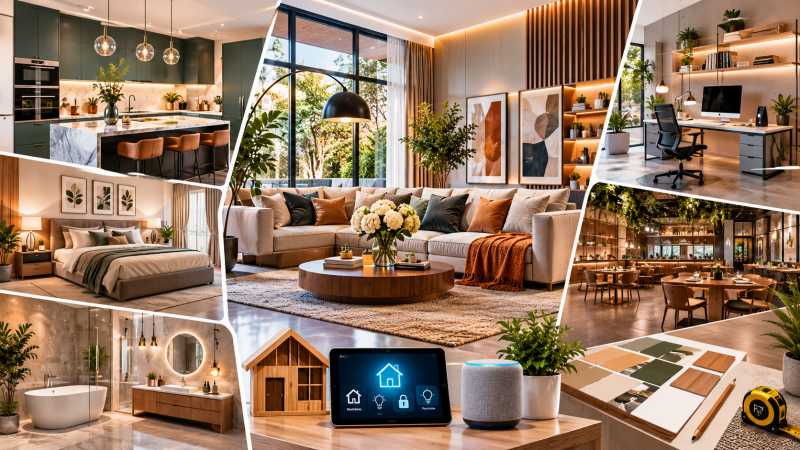
Creating a beautiful and comfortable home requires thoughtful planning, creativity, and practical design decisions. Every room serves a different purpose, so homeowners should consider appearance, functionality, lighting, furniture, and storage when improving their spaces. Modern interior design combines these elements to create environments that look attractive while supporting everyday activities.
designmode24 design represents a modern approach to interior styling, home improvement, and space planning. It focuses on practical renovation ideas, contemporary decoration, functional room layouts, and creative ways to improve residential and commercial environments. Whether you want to refresh a living room, renovate a kitchen, redesign a bedroom, or improve an office, a well-planned design can make a meaningful difference.
In this guide, we explore interior design principles, room-by-room decoration, commercial spaces, smart home technology, and practical improvement ideas that can help you create a more functional environment.
What Is DesignMode24 Design?
DesignMode24 focuses on modern interior design and home styling ideas that balance visual appeal with everyday functionality. Good design does not simply involve purchasing expensive furniture or following popular trends. Instead, it considers how people use a space and how different elements work together.
For example, a small apartment needs smart storage and furniture arrangements to make the most of its available space. Similarly, a large living room needs a balanced layout that creates comfortable areas without making the room feel empty.
The main principles include:
- Functional room layouts and space planning.
- Contemporary furniture and decorative choices.
- Balanced color schemes and textures.
- Practical lighting arrangements.
- Smart storage and organization.
- Home renovation and DIY improvement ideas.
- Modern technology and automation.
By combining these principles, homeowners can create spaces that reflect their personal preferences and practical needs.
Interior Design and Home Décor Ideas
Interior design influences how people experience their homes. A well-designed room can feel more welcoming, organized, and comfortable. Therefore, consider each room’s purpose before selecting furniture, colors, or decorative accessories.
1. Living Room Styling
The living room often serves as a place for relaxation, entertainment, and social gatherings. Start by choosing a focal point, such as a sofa arrangement, fireplace, or entertainment unit.
Next, select furniture that fits the room’s dimensions. Avoid overcrowding the space with unnecessary pieces. Instead, leave enough room for comfortable movement.
You can also introduce cushions, rugs, curtains, artwork, and indoor plants to create visual interest. Furthermore, combine natural light with suitable lamps to make the room comfortable throughout the day.
2. Modern Kitchen Design
A functional kitchen needs an efficient layout, sufficient storage, and durable materials. Organize cabinets so that frequently used utensils and ingredients remain easy to access.
Consider these improvements:
- Install practical cabinets and drawers.
- Choose durable countertops.
- Add task lighting above preparation areas.
- Keep frequently used appliances accessible.
- Use suitable flooring that is easy to maintain.
- Organize cooking tools to reduce clutter.
Additionally, choose colors that complement the rest of your home. Neutral cabinets, natural wood finishes, and carefully selected accents can create a balanced appearance.
3. Comfortable Bedroom Design
A bedroom should support relaxation and restful sleep. Start with a comfortable bed and arrange furniture to maintain clear walking paths.
Choose calming colors, suitable curtains, and soft lighting. Moreover, use wardrobes, bedside tables, and storage organizers to keep everyday belongings organized.
Avoid adding too many decorative items because unnecessary clutter can make the room feel crowded. Instead, select a few accessories that complement your overall theme.
4. Bathroom Improvements
Bathroom design should prioritize comfort, hygiene, ventilation, and water resistance. You can refresh an older bathroom by updating fixtures, improving lighting, replacing damaged surfaces, and introducing practical storage.
For example, wall-mounted cabinets can save floor space, while well-positioned mirrors can improve the feeling of openness. However, always use suitable materials for wet areas and consult qualified professionals for plumbing and electrical work.
5. Home Office Planning
A home office should support concentration and productivity. Choose a desk that provides enough working space and a chair that supports comfortable posture.
Position the desk where natural light is available, if possible. Then add task lighting, cable organizers, shelves, and storage containers.
A clean and organized workspace can help reduce distractions and make daily tasks easier.
Commercial and Architectural Design Solutions
Interior design also plays an important role in commercial environments. Offices, restaurants, cafés, retail showrooms, and other business spaces need layouts that support employees, customers, and visitors.
Corporate Office Design
A well-planned office can improve comfort and make better use of available space. Businesses should consider workstations, meeting rooms, reception areas, lighting, and movement between departments.
For instance, collaborative areas can encourage teamwork, while quiet spaces can support focused tasks. In addition, ergonomic furniture can make long working hours more comfortable.
Retail Showroom Design
Retail showrooms need attractive displays and clear pathways. Customers should be able to explore products without feeling confused or restricted.
Use suitable lighting to highlight important displays. Also, organize products into clear sections so visitors can compare options easily.
Restaurant and Café Interiors
Restaurants and cafés need a balance between atmosphere and practical operation. Seating arrangements should provide enough personal space while allowing staff to move safely.
Furthermore, consider lighting, ventilation, furniture durability, sound levels, and the overall theme. A consistent interior can help create a memorable customer experience.
Real Estate Staging
Real estate staging prepares a property for potential buyers or renters. It involves arranging furniture, improving lighting, reducing clutter, and presenting rooms in an appealing way.
A clean, organized property allows visitors to understand how they could use each space. Therefore, simple improvements can help create a stronger first impression.
Practical Home Improvement Ideas
Home improvement does not always require a major renovation. Small changes can refresh a room and improve its functionality.
Use Better Color Schemes
Color influences the atmosphere of a room. Light shades can make smaller spaces feel more open, while deeper colors can introduce warmth and contrast.
Choose a primary color, a supporting shade, and a few accent colors. This approach helps maintain consistency throughout the space.
Improve Lighting
A good lighting plan combines general, task, and accent lighting. Ceiling lights provide overall visibility, desk lamps support focused activities, and accent lights highlight selected features.
Additionally, use natural daylight whenever possible. Open curtains and avoid blocking windows with unnecessarily large furniture.
Add Smart Storage Solutions
Storage helps maintain an organized home. Use shelves, cabinets, baskets, drawer dividers, and multifunctional furniture to make better use of available space.
For small rooms, consider vertical storage because it uses wall space without occupying too much floor area.
Explore Japandi Design
Japandi combines Japanese and Scandinavian design influences. It emphasizes simplicity, natural materials, functionality, and calm surroundings.
To create this style, use neutral colors, wooden furniture, uncluttered surfaces, and carefully selected decorative pieces. However, avoid making the room feel empty or impractical. Comfort should remain a priority.
Consider Smart Home Automation
Smart home technology can make everyday activities more convenient. Depending on the system, homeowners can control lighting, heating, security devices, and other compatible equipment through apps or voice assistants.
Before installing smart devices, check compatibility, privacy settings, security features, and installation requirements.
How to Plan a Successful Design Project
A successful project begins with a clear plan. Before purchasing materials or hiring contractors, follow these practical steps.
Step 1: Identify Your Needs
Decide what you want to improve. You may need additional storage, better lighting, a modern kitchen, or a more practical room layout.
Step 2: Set a Realistic Budget
Calculate the expected cost of materials, furniture, labor, delivery, and installation. Also, reserve some money for unexpected expenses.
Step 3: Measure the Space
Record room dimensions, window positions, doorways, and existing fixtures. Accurate measurements help you select suitable furniture and avoid costly mistakes.
Step 4: Collect Design Inspiration
Explore room photographs, material samples, color combinations, and furniture ideas. Create a mood board to organize your preferred style.
Step 5: Prioritize Functionality
Make sure every design decision supports the way you use the space. A beautiful room should also remain comfortable and practical.
Step 6: Review the Final Plan
Check your budget, measurements, materials, and project timeline before beginning work. For complex renovations, consult qualified designers and contractors.
Why Functional Design Matters
A visually attractive home may still feel uncomfortable if its layout does not support everyday activities. Functional design solves this problem by connecting appearance with practical use.
For example, a family kitchen needs accessible storage and enough preparation space. A small bedroom benefits from furniture that provides storage without blocking movement. Likewise, a commercial office needs clear pathways and appropriate work areas.
This is the central idea behind designmode24 design: combine modern styling with thoughtful planning so that spaces look appealing and work effectively.
Frequently Asked Questions
1. What does DesignMode24 focus on?
DesignMode24 focuses on interior design, home styling, practical renovation ideas, room layouts, decoration, and contemporary home improvement topics.
2. Does DesignMode24 cover different rooms?
Yes. Its stated subject areas include living rooms, kitchens, bedrooms, bathrooms, and home offices, along with other home-related design topics.
3. What is modern interior design?
Modern interior design emphasizes functional layouts, clean lines, balanced colors, suitable lighting, and practical furniture arrangements.
4. What is Japandi interior design?
Japandi combines Japanese and Scandinavian influences. It uses natural materials, simple furniture, neutral colors, and uncluttered spaces.
5. How can I improve a small home?
Use multifunctional furniture, vertical storage, light colors, mirrors, and practical lighting. Also, remove unnecessary items to create more usable space.
6. Does commercial design differ from residential design?
Yes. Residential design focuses on household needs and comfort, while commercial design considers business operations, customer experiences, employee requirements, and accessibility.
7. How can smart technology improve a home?
Compatible smart devices can help homeowners manage lighting, temperature, security, and other household systems more conveniently.
Conclusion
Modern interior design combines creativity, functionality, and thoughtful space planning. Whether you want to improve a small apartment, renovate a kitchen, refresh a bedroom, or create a professional commercial environment, careful decisions can help you achieve better results.
designmode24 design highlights the value of combining contemporary decoration with practical home improvement. By selecting suitable colors, arranging furniture carefully, improving lighting, organizing storage, and exploring useful technology, you can create spaces that support your lifestyle.
Ultimately, the best design is not simply about following trends. It is about creating a comfortable, attractive, and functional environment that meets your needs. Start with a clear plan, set a realistic budget, and make improvements one step at a time.
For more info visit Designmode24