
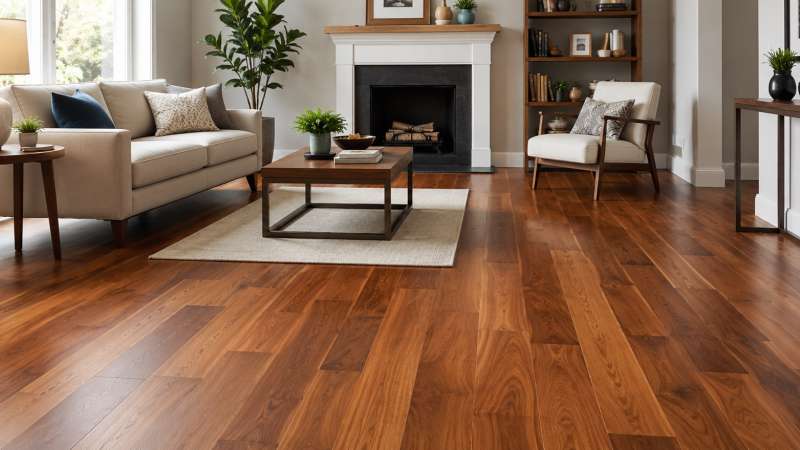
Hardwood flooring remains one of the most popular flooring choices for homeowners because it combines natural beauty, durability, and long-term value. Whether you are building a new home or renovating an existing one, hardwood floors create a timeless appearance that complements almost every interior design style.
Unlike synthetic flooring materials, hardwood flooring comes from real wood species such as oak, maple, walnut, and hickory. Every plank features unique grain patterns and natural color variations, making each floor one of a kind. Besides its attractive appearance, hardwood flooring can last for decades when properly maintained, making it an excellent long-term investment.
In this complete guide, you will learn everything about hardwood flooring, including its types, popular wood species, advantages, disadvantages, installation methods, maintenance tips, costs, and buying considerations. By the end, you will have all the information needed to choose the perfect hardwood floor for your home.
What Is Hardwood Flooring?
Hardwood flooring is a flooring material made from real wood logs harvested from hardwood trees. Unlike laminate or vinyl flooring that imitates wood, hardwood flooring uses genuine timber, offering authentic grain patterns, natural textures, and superior durability.
Manufacturers create hardwood flooring using premium wood species like:
- Oak
- Maple
- Walnut
- Hickory
- Cherry
- Ash
- Birch
These woods are carefully milled into planks before being installed inside homes, offices, and commercial spaces.
Because hardwood comes directly from natural timber, every board has a distinctive appearance that cannot be perfectly duplicated by artificial flooring materials.
Main Types of Hardwood Flooring
Understanding the different types helps homeowners choose the right flooring for their needs.
1. Solid Hardwood Flooring
Solid hardwood flooring is manufactured from one solid piece of natural wood.
Features
- Made entirely from hardwood timber
- Available in various thicknesses
- Can be sanded multiple times
- Extremely durable
- Lasts over 50 years with proper care
Best Locations
- Living rooms
- Dining rooms
- Bedrooms
- Hallways
- Home offices
Advantages
- Long lifespan
- Authentic appearance
- Easy to refinish
- Increases property value
Disadvantages
- Sensitive to moisture
- Expands and contracts with humidity
- Higher installation cost
2. Engineered Hardwood Flooring
Engineered hardwood consists of several layers of plywood or fiberboard with a genuine hardwood veneer on top.
Features
- Real hardwood surface
- Stable construction
- Better moisture resistance
- Less expansion during humidity changes
Best Locations
- Basements
- Kitchens
- Apartments
- Condominiums
- Areas with changing temperatures
Advantages
- More stable
- Easier installation
- Lower expansion rate
- Compatible with radiant heating
Disadvantages
- Limited refinishing
- Depends on veneer thickness
3. Prefinished Hardwood Flooring
Prefinished flooring comes already stained and sealed by the manufacturer.
Benefits
- Faster installation
- Less mess
- Factory-quality finish
- Ready for use immediately
This option works well for homeowners who want a quick renovation.
4. Unfinished Hardwood Flooring
Unfinished wood arrives without stain or protective coating.
After installation, professionals sand, stain, and seal the surface.
Benefits
- Customized stain colors
- Smooth appearance
- Perfect for matching existing floors
Drawbacks
- Longer installation
- More dust
- Requires drying time
Popular Hardwood Species
Choosing the right wood species affects durability, appearance, and price.
Oak
Oak remains the most popular hardwood flooring material worldwide.
Characteristics
- Strong
- Affordable
- Beautiful grain
- Excellent durability
Best For
- Traditional homes
- Family rooms
- High-traffic areas
Maple
Maple features a smooth texture and subtle grain.
Benefits
- Hard surface
- Modern appearance
- Light natural color
- Scratch resistant
It suits minimalist and contemporary interiors.
Walnut
Walnut offers luxury and elegance.
Features
- Rich chocolate color
- Fine grain
- High-end appearance
- Comfortable underfoot
It works beautifully in luxury homes.
Hickory
Hickory ranks among the hardest domestic hardwoods.
Benefits
- Outstanding durability
- Rustic appearance
- Distinctive grain
- Excellent wear resistance
Perfect for busy households with children and pets.
Cherry
Cherry wood darkens naturally over time.
Advantages
- Warm tones
- Elegant appearance
- Smooth texture
- Premium finish
Benefits of Hardwood Flooring
Homeowners continue choosing hardwood flooring because it provides numerous long-term advantages.
1. Timeless Beauty
Hardwood creates a natural, elegant atmosphere that never goes out of style.
2. Long Lifespan
Quality hardwood floors often last between 50 and 100 years with proper maintenance.
3. Higher Home Value
Real wood flooring increases resale value because buyers appreciate premium materials.
4. Easy Cleaning
Unlike carpets, hardwood traps very little dust, dirt, or allergens.
Regular sweeping keeps floors looking clean.
5. Better Indoor Air Quality
Hardwood flooring does not collect:
- Pet dander
- Dust mites
- Mold
- Allergens
This makes it an excellent choice for allergy sufferers.
6. Sustainable Material
Many manufacturers source wood from responsibly managed forests.
Additionally, hardwood lasts much longer than many alternative flooring materials, reducing waste.
7. Can Be Refinished
Solid hardwood can be sanded and refinished several times.
Instead of replacing the floor, homeowners simply restore its appearance.
Drawbacks of Hardwood Flooring
Although hardwood offers many benefits, it also has some limitations.
Moisture Damage
Standing water may warp boards over time.
Higher Cost
Real hardwood costs more than laminate or vinyl flooring.
Scratch Risk
Pets, furniture, and heavy objects may scratch the surface.
Requires Maintenance
Periodic refinishing helps maintain its appearance over many years.
Hardwood Flooring Finishes
The finish protects wood while enhancing its appearance.
Polyurethane
- Highly durable
- Water resistant
- Easy maintenance
Oil Finish
- Natural appearance
- Easy spot repair
- Rich texture
Aluminum Oxide
- Extremely durable
- Scratch resistant
- Common on prefinished flooring
Hardwood Flooring Installation Methods
Professional installation ensures long-lasting performance.
Nail Down
Common for solid hardwood.
Advantages:
- Secure
- Long-lasting
- Traditional installation
Glue Down
Ideal for engineered hardwood.
Benefits:
- Strong bond
- Reduced movement
- Suitable for concrete
Floating Floor
Boards lock together without attaching directly to the subfloor.
Advantages:
- Quick installation
- Lower labor costs
- Easy replacement
Room-by-Room Recommendations
Living Room
Oak and walnut create warm, inviting spaces.
Bedroom
Maple offers comfort and a clean appearance.
Dining Room
Solid oak handles heavy furniture well.
Kitchen
Engineered hardwood performs better because of improved moisture resistance.
Basement
Engineered hardwood is usually the preferred option due to changing humidity levels.
Choosing the Right Hardwood Color
Color influences the overall atmosphere.
Light Colors
- Make rooms appear larger
- Modern appearance
- Hide dust better
Medium Colors
- Versatile
- Warm
- Suitable for most homes
Dark Colors
- Luxurious
- Dramatic
- Highlight furniture
Surface Textures
Smooth Finish
Elegant and formal appearance.
Hand Scraped
Creates rustic charm.
Wire Brushed
Highlights natural grain while hiding minor scratches.
Distressed
Provides an aged, vintage appearance.
Hardwood Flooring Maintenance Tips
Proper maintenance extends the life of your hardwood floor.
Sweep Regularly
Remove dirt and grit before they scratch the finish.
Vacuum Carefully
Use hardwood floor attachments instead of rotating brushes.
Clean Spills Immediately
Water should never remain on hardwood surfaces.
Use Furniture Pads
Soft felt pads prevent scratches.
Avoid Excessive Water
Use only damp microfiber mops.
Avoid Harsh Chemicals
Choose cleaners specifically designed for hardwood floors.
Maintain Indoor Humidity
Keeping humidity between 35% and 55% helps minimize expansion and contraction.
Common Hardwood Flooring Problems
Scratches
Minor scratches can often be repaired with touch-up markers.
Gaps
Seasonal humidity changes sometimes create small gaps.
Cupping
Moisture causes board edges to rise.
Buckling
Severe water damage may lift entire sections.
Professional repairs are often necessary.
Cost of Hardwood Flooring
Several factors affect pricing.
Material
- Wood species
- Thickness
- Grade
- Finish
Installation
Labor costs vary depending on:
- Room size
- Subfloor preparation
- Installation method
Maintenance
Periodic refinishing adds long-term maintenance expenses but extends floor life.
Hardwood Flooring vs. Other Flooring Options
| Flooring Type | Durability | Appearance | Maintenance | Lifespan |
|---|---|---|---|---|
| Hardwood | Excellent | Natural | Moderate | 50–100 years |
| Laminate | Good | Artificial wood look | Easy | 15–25 years |
| Vinyl | Very Good | Printed design | Easy | 20–30 years |
| Tile | Excellent | Modern | Easy | 50+ years |
| Carpet | Moderate | Soft | High | 8–15 years |
Buying Tips
Before purchasing hardwood flooring, consider the following:
- Choose a wood species that matches your lifestyle.
- Compare solid and engineered options.
- Check the manufacturer’s warranty.
- Buy extra planks for future repairs.
- Match flooring with your home’s interior style.
- Consider professional installation for the best results.
- Select finishes that suit your maintenance preferences.
Eco-Friendly Advantages
Hardwood flooring is often considered environmentally friendly because:
- Trees are renewable resources.
- Many manufacturers follow sustainable forestry practices.
- Long product lifespan reduces replacement waste.
- Old hardwood can often be recycled or repurposed.
Is Hardwood Flooring Worth It?
For many homeowners, hardwood flooring is worth the investment. It delivers timeless beauty, exceptional durability, and strong resale value. While the initial cost may be higher than some alternatives, its long lifespan and ability to be refinished make it a cost-effective choice over time.
If you want flooring that combines elegance with practical performance, hardwood flooring remains one of the best options available for residential spaces.
Frequently Asked Questions (FAQs)
What is hardwood flooring made from?
Hardwood flooring is made from real wood logs such as oak, maple, walnut, hickory, cherry, and other hardwood species.
Which is better: solid or engineered hardwood?
Solid hardwood lasts longer and can be refinished multiple times, while engineered hardwood offers better stability in humid environments.
How long does hardwood flooring last?
With proper care, quality hardwood flooring can last between 50 and 100 years.
Can hardwood flooring be installed in kitchens?
Yes. Engineered hardwood is generally recommended for kitchens because it handles humidity better than solid hardwood.
How do I clean hardwood floors?
Sweep or vacuum regularly, clean spills immediately, use a damp microfiber mop, avoid excessive water, and use cleaners designed specifically for hardwood.
Does hardwood flooring increase home value?
Yes. Hardwood flooring is widely recognized as a premium feature that can improve a home’s resale appeal and overall market value.
Conclusion
Hardwood flooring offers an outstanding combination of natural beauty, durability, and lasting value. Whether you choose solid hardwood for its refinishing potential or engineered hardwood for its stability, real wood flooring creates a timeless foundation that enhances almost any room. By selecting the right wood species, finish, and installation method—and following simple maintenance practices such as regular sweeping, prompt spill cleanup, and protecting the surface from scratches—you can enjoy beautiful floors for decades. With thoughtful planning and proper care, hardwood flooring remains one of the smartest and most rewarding investments for any home.
For more info visit Designmode24