
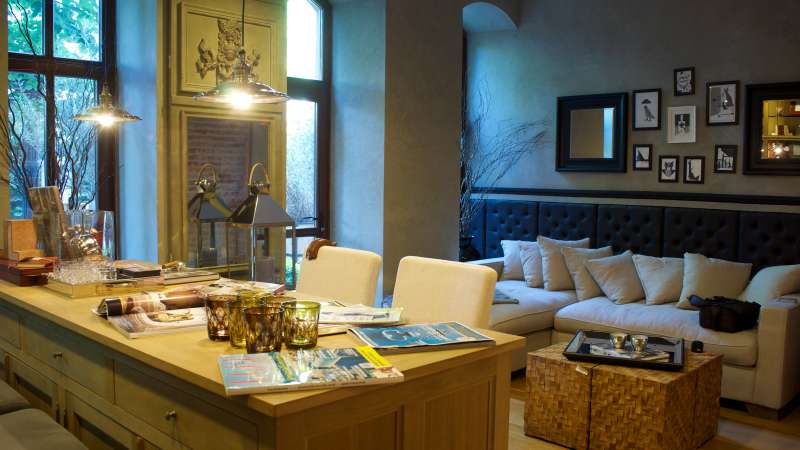
Creating a beautiful home requires more than choosing attractive furniture or painting the walls. A successful interior combines style, comfort, functionality, lighting, materials, and thoughtful space planning. designmode24 interior design represents an approach to creating spaces that look appealing while supporting the way people actually live and work.
DesignMode24 focuses on custom interior design, decoration, and renovation solutions for residential and commercial environments. Its approach combines visual creativity with practical improvements, helping property owners make better decisions about furniture, colors, layouts, surfaces, lighting, kitchens, bathrooms, and other important areas.
Whether you want to refresh one room, renovate an entire property, or create a professional commercial environment, understanding the fundamentals of interior design can help you plan your project with confidence.
This complete guide explains the major elements of modern interior design, from initial planning to final details.
What Is designmode24 interior design?
designmode24 interior design focuses on combining aesthetics and functionality to create comfortable, attractive, and practical spaces.
A good interior design plan considers several elements at once, including:
- Room dimensions
- Furniture placement
- Color schemes
- Lighting
- Flooring
- Wall treatments
- Storage
- Materials
- Architectural features
- Personal preferences
Instead of decorating randomly, designers develop a cohesive visual direction. Consequently, every major element works together rather than competing for attention.
The same principles can apply to houses, apartments, offices, retail spaces, and other environments. However, designers adjust their recommendations according to the property’s purpose.
Why Interior Design Matters
Interior design affects how people experience a space every day. A well-planned room can feel more spacious, organized, comfortable, and welcoming.
For example, thoughtful furniture placement can improve movement through a living room. Similarly, appropriate lighting can make a kitchen easier to use while creating an inviting atmosphere.
Interior design can also help homeowners:
- Make better use of available space
- Improve organization
- Create a consistent visual style
- Increase comfort
- Highlight architectural features
- Improve lighting
- Modernize outdated rooms
- Increase the appeal of a property
Therefore, interior design should not focus solely on appearance. Instead, it should solve practical problems while creating an attractive environment.
Interior Design and Space Planning
Space planning forms the foundation of a successful design project.
Before purchasing furniture or selecting decorative finishes, determine how people will use the room. Consider walking paths, doors, windows, electrical outlets, natural light, and existing architectural features.
Measure the Room
Start by measuring:
- Length
- Width
- Ceiling height
- Door openings
- Window positions
- Built-in features
Accurate measurements prevent expensive mistakes.
Create Functional Zones
Large rooms often benefit from clearly defined areas. For instance, a spacious living room might include a conversation area, reading corner, and entertainment zone.
Likewise, an open-plan kitchen can include separate cooking, dining, and relaxation areas.
Maintain Comfortable Movement
Avoid placing furniture where it blocks doors or creates narrow pathways. A beautiful room will quickly become frustrating if people cannot move through it comfortably.
Choosing the Right Color Palette
Color strongly influences the atmosphere of a room.
Neutral colors such as white, beige, gray, and soft earth tones can create calm and timeless interiors. Meanwhile, deeper shades can add drama and personality.
A simple approach involves choosing:
- A dominant color
- A secondary color
- An accent color
For example, a neutral wall color can provide the foundation while natural wood furniture and darker accessories add contrast.
However, avoid using too many competing colors. Instead, repeat selected tones throughout the room to create visual consistency.
Furniture Selection and Styling
Furniture should complement the room rather than overwhelm it.
Before buying anything, consider the size, shape, material, and purpose of each piece.
Choose Furniture Based on Scale
Large furniture can make a small room feel crowded. Conversely, very small furniture may look lost inside a large space.
Prioritize Comfort
A stylish sofa still needs to provide comfortable seating. Similarly, dining chairs should support everyday use.
Mix Materials
Combining wood, metal, glass, fabric, and stone can create visual depth.
Avoid Overcrowding
Leave enough open space around furniture. This simple decision can make an interior feel significantly larger.
Lighting Design
Lighting represents one of the most important parts of modern interior design.
A strong lighting plan typically combines three layers.
Ambient Lighting
Ambient lighting provides general illumination. Ceiling fixtures, recessed lights, and chandeliers can perform this role.
Task Lighting
Task lighting supports specific activities. Examples include:
- Kitchen under-cabinet lights
- Desk lamps
- Reading lights
- Bathroom vanity lighting
Accent Lighting
Accent lighting highlights decorative or architectural features. It can draw attention to artwork, shelving, textured walls, or architectural details.
Combining these layers creates a flexible environment that works during both daytime and nighttime.
Kitchen Remodeling
The kitchen often serves as one of the busiest areas in a home. Consequently, a successful kitchen renovation must combine visual appeal with efficient functionality.
DesignMode24’s approach to kitchen remodeling can include smart layouts, custom cabinetry, modern fixtures, and improved lighting.
Improve the Layout
The placement of the sink, refrigerator, cooktop, and preparation areas should support efficient movement.
Upgrade Cabinets
Modern cabinets can provide additional storage while giving the kitchen a completely refreshed appearance.
Consider:
- Deep drawers
- Pull-out shelves
- Pantry storage
- Corner solutions
- Built-in organizers
Select Durable Countertops
Countertops experience frequent use, so choose materials based on durability, maintenance, appearance, and budget.
Add Layered Lighting
Combine ceiling lighting with task lighting beneath cabinets or above work surfaces.
Bathroom Remodeling
Bathrooms require careful attention to both design and practicality.
A successful bathroom renovation can include:
- Modern vanities
- Updated fixtures
- Improved storage
- Better lighting
- Contemporary showers
- Durable flooring
- Attractive wall treatments
Make Small Bathrooms Feel Larger
Use light colors, large mirrors, glass shower panels, and wall-mounted furniture to create a more open appearance.
Choose Practical Materials
Bathrooms experience moisture every day. Therefore, select materials designed to withstand humidity and frequent cleaning.
Flooring Installation
Flooring influences the appearance and performance of an entire interior.
Popular options include:
- Hardwood
- Engineered wood
- Luxury vinyl
- Tile
- Laminate
- Natural stone
- Carpet
Each material offers different benefits.
Hardwood can provide warmth and timeless appeal, while tile works particularly well in moisture-prone areas. Luxury vinyl can offer durability and a wide variety of visual styles.
Before choosing flooring, consider traffic levels, maintenance requirements, moisture exposure, and overall design.
Professional installation can also help ensure proper preparation and long-term performance.
Wall Treatments
Walls provide an excellent opportunity to introduce character.
Common options include:
- Paint
- Wallpaper
- Wood paneling
- Decorative molding
- Stone finishes
- Textured surfaces
An accent wall can create a focal point without requiring extensive changes throughout the room.
For example, a textured wall behind a bed can add visual interest to a bedroom, while a painted accent wall can define a living room seating area.
Painting and Finishing
Paint remains one of the easiest ways to transform a room.
Before painting, prepare the surface properly. Clean walls, repair cracks, fill holes, and use appropriate primers when necessary.
Choose finishes based on the room.
For example:
- Washable finishes work well in busy areas.
- Moisture-resistant options suit bathrooms.
- Durable finishes benefit hallways and family spaces.
Furthermore, test colors in the actual room because lighting can change how a color appears throughout the day.
Specialized Lighting Design
Specialized lighting can transform an ordinary interior into a more sophisticated environment.
Consider lighting for:
- Artwork
- Kitchen islands
- Shelving
- Architectural features
- Staircases
- Dining tables
- Outdoor areas
Pendant lights can create a focal point above an island or dining table. Meanwhile, concealed LED lighting can provide subtle illumination beneath cabinets or shelves.
The key is to use lighting intentionally rather than simply adding more fixtures.
Interior Design for Commercial Spaces
Interior design also plays an important role in commercial environments.
Offices, retail stores, restaurants, studios, and other businesses need designs that reflect their purpose and brand.
A commercial interior should consider:
- Customer movement
- Employee comfort
- Lighting
- Branding
- Accessibility
- Storage
- Durability
- Maintenance
For example, an office may prioritize productivity and collaboration, while a retail environment may focus heavily on customer movement and product visibility.
Residential Interior Design
Residential design should reflect the homeowner’s lifestyle.
A family with children may prioritize durable materials and practical storage. Someone who works from home may need a dedicated office area. Meanwhile, frequent entertainers may want a spacious living and dining arrangement.
Therefore, designers should understand how people actually use their homes before recommending major changes.
Creating a Cohesive Home
A home feels more polished when its rooms connect visually.
You do not need to use the same colors everywhere. Instead, repeat selected materials, tones, textures, or design elements.
For example, natural wood might appear in the kitchen, living room, and bedroom. Similarly, a particular accent color can appear through cushions, artwork, and decorative accessories.
This approach creates continuity without making every room look identical.
Storage and Organization
Good storage can dramatically improve interior design.
Clutter makes even attractive rooms appear chaotic. Therefore, incorporate storage during the design process rather than treating it as an afterthought.
Useful solutions include:
- Built-in cabinets
- Floating shelves
- Storage benches
- Under-bed drawers
- Custom wardrobes
- Kitchen organizers
- Bathroom cabinets
Hidden storage works particularly well in minimalist interiors because it keeps everyday items out of sight.
Sustainable Interior Design
Modern homeowners increasingly consider sustainability when renovating.
Sustainable design can include:
- Energy-efficient lighting
- Durable materials
- Low-maintenance finishes
- Reclaimed wood
- Efficient appliances
- Water-saving fixtures
- Long-lasting furniture
Choosing durable products can reduce the need for frequent replacement. As a result, homeowners may save money over the long term while reducing waste.
How to Plan an Interior Design Project
A structured process makes renovation easier.
Step 1: Define Your Goals
Decide what you want to change and why.
Step 2: Establish a Budget
Create a realistic budget for materials, labor, delivery, and unexpected costs.
Step 3: Measure the Space
Record accurate dimensions before purchasing furniture or fixtures.
Step 4: Select a Design Direction
Choose a style and color palette that suits your preferences.
Step 5: Prioritize Major Elements
Select flooring, cabinetry, major furniture, and lighting before smaller accessories.
Step 6: Add Decorative Details
Finally, introduce artwork, cushions, plants, rugs, and accessories.
This process prevents unnecessary purchases and keeps the project organized.
Common Interior Design Mistakes
Even well-intentioned projects can experience problems.
Avoid these common mistakes:
Ignoring Measurements
Always measure before buying furniture.
Using Poor Lighting
A single ceiling light rarely provides enough illumination for every activity.
Following Every Trend
Trends change quickly. Instead, combine modern elements with timeless foundations.
Choosing Appearance Over Function
A beautiful material may not suit a busy family home.
Forgetting Storage
Insufficient storage can quickly create clutter.
Buying Everything at Once
Take time to understand the room before purchasing accessories.
How DesignMode24 Can Inspire Your Project
designmode24 interior design can serve as inspiration for homeowners who want to combine contemporary aesthetics with practical solutions.
The most effective approach begins with understanding your property, lifestyle, budget, and priorities. Instead of copying another person’s room exactly, use design ideas as a starting point and adapt them to your own circumstances.
For example, you can take inspiration from a modern kitchen while choosing cabinetry that fits your specific space. Similarly, you can use a minimalist bedroom concept while adding personal artwork and colors that reflect your personality.
Benefits of a Professional Approach
Professional interior design can help homeowners make better decisions before investing in expensive changes.
A structured design process can improve:
- Space planning
- Material selection
- Color coordination
- Furniture placement
- Lighting
- Storage
- Project organization
Professionals can also identify potential problems before construction begins.
For complex renovations involving structural changes, electrical systems, plumbing, or other specialized work, always involve appropriately qualified professionals.
Final Thoughts
Creating a beautiful and functional interior requires thoughtful planning rather than simply purchasing attractive products. From furniture and color palettes to flooring, wall treatments, lighting, kitchens, and bathrooms, every element contributes to the final result.
designmode24 interior design emphasizes the importance of balancing beauty with everyday functionality. Whether you are refreshing a single room or planning a complete renovation, begin with clear goals, accurate measurements, a realistic budget, and a consistent design direction.
Most importantly, design your space around the people who will use it. A successful interior should look beautiful, feel comfortable, support daily activities, and remain practical over time.
By combining creative ideas with careful planning, you can transform an ordinary property into a welcoming and personalized environment that reflects your lifestyle and design preferences.
For more info visit Designmode24